
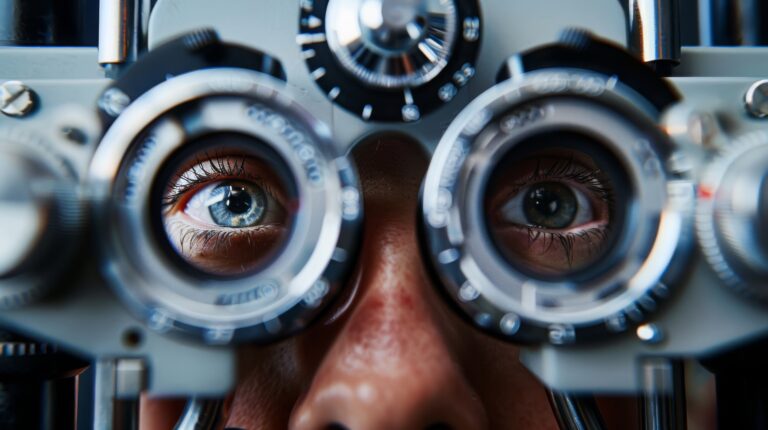
Blurry vision, constant headaches, or trouble seeing at night can all sneak up on you — but not every vision problem makes itself known right away. That’s why routine eye exams are so important. They not only help update your prescription, but also catch silent conditions like glaucoma, cataracts, or macular degeneration before they cause permanent vision loss.
Still, one of the most common questions patients ask is: how often should you get your eyes checked? The answer depends on your age, health history, and any vision changes you may be experiencing.
How Often Should You Get Your Eyes Checked?
As we move through different stages of life, our eyes have different needs. Children should have exams regularly to make sure vision develops properly, while adults under 40 may only need visits every few years if they don’t wear glasses or contacts.
Starting in your 40s, eye exams should become more frequent since the risks of glaucoma, cataracts, and other age-related changes begin to rise. Adults between 40 and 54 are typically seen every 2–4 years, and by age 55, that interval shortens to every 1–3 years.
Seniors 65 and older should be checked at least every 1–2 years. These visits become even more critical as cataracts and other conditions become more common.
Health Conditions and Risk Factors
Age isn’t the only factor. Certain health conditions require earlier and more frequent monitoring. Patients with diabetes need an eye exam every year, since high blood sugar can damage blood vessels in the retina.
A family history of glaucoma or macular degeneration also puts you at higher risk, meaning you shouldn’t rely on age-based guidelines alone. Even if you’re younger, your doctor may recommend closer follow-up if you’ve had eye surgery, use certain medications, or already have cataracts beginning to form.
Warning Signs You Shouldn’t Ignore
Sometimes, waiting until your “next scheduled exam” isn’t enough. Certain symptoms mean it’s time to see an eye doctor right away.
Sudden Vision Changes
If your vision becomes blurry, doubled, or distorted without warning, it could point to something more serious than a routine prescription change.
Flashes and Floaters
Occasional floaters are common, but a sudden increase in floaters or seeing flashes of light may indicate a retinal tear or detachment that needs immediate care.
Eye Pain or Discomfort
Persistent eye pain or pressure is never normal. Whether it’s related to glaucoma, infection, or another condition, it should be evaluated promptly.
Headaches and Eye Strain
Frequent headaches or ongoing strain when reading, working, or driving could mean your eyes are working harder than they should. An exam can uncover the cause.
Difficulty Seeing at Night
Struggling to drive or navigate in dim light may be a sign of cataracts or other eye conditions that worsen over time without treatment.
Protect Your Vision with Florida Eye Specialists
So, how often should you get your eyes checked? It depends on your age, risk factors, and symptoms — but regular exams are the best way to protect your sight at every stage of life.
Whether you’re due for your next routine visit or noticing new changes in your vision, the specialists at Florida Eye Specialists are here to provide expert, compassionate care. Schedule your appointment today.