
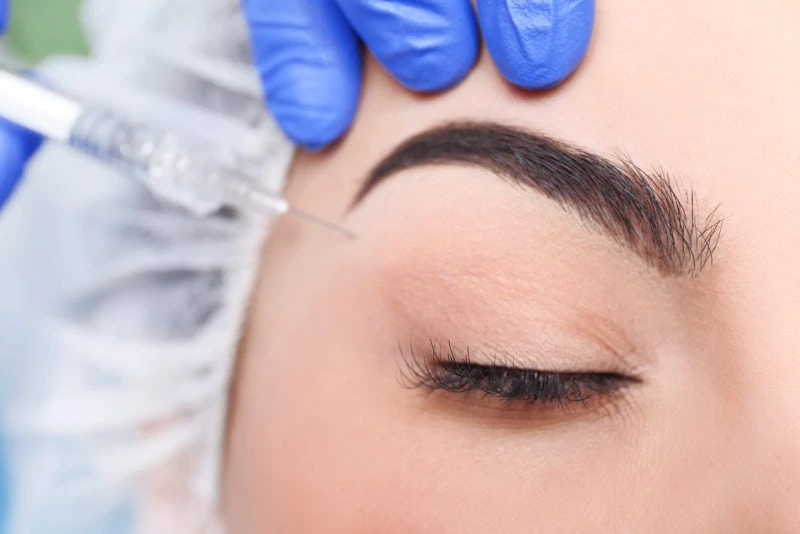
Drooping or sagging eyelids can affect how you look, how comfortably you keep your eyes open and, in some cases, how well you see. If you have noticed heavy eyelids, difficulty seeing overhead or a tired appearance, you may be wondering whether eyelid surgery is right for you.
Several procedures can address these concerns, but the best option depends on what is causing the changes and whether they affect your vision, appearance or both. Florida Eye Specialists’ oculoplastics team helps patients understand their options and determine which treatment may best meet their needs.
Below, we answer common eyelid surgery questions about procedures, insurance coverage, candidacy, cost and recovery.
What Are the Different Types of Eyelid Surgery?
The right procedure depends on which structures around your eyes are contributing to a drooping or heavy appearance. Three common procedures include blepharoplasty, ptosis repair and a brow lift.
Blepharoplasty
This procedure removes excess skin from the upper or lower eyelids. Upper eyelid blepharoplasty may be performed for cosmetic reasons or to improve vision when excess skin obstructs the field of view.
Ptosis Repair
Ptosis occurs when the upper eyelid itself droops because of a weakened or stretched eyelid muscle. Ptosis repair adjusts the muscle to improve the eyelid’s position and may help restore the upper field of vision.
Brow Lift
When the eyebrows sit lower than normal, they can contribute to a heavy appearance around the upper eyelids. A brow lift raises the eyebrows to address this concern.
Some patients may benefit from a combination of procedures. An evaluation with an oculoplastics specialist can help identify the underlying cause and determine which approach is appropriate.
What Is the Difference Between Medical and Cosmetic Eyelid Surgery?
One of the most important distinctions is whether drooping eyelids affect your vision or primarily change your appearance.
Medical or functional eyelid surgery addresses problems that interfere with normal vision or eyelid function. For example, excess upper eyelid skin may hang over the lashes and block part of your upper field of vision. A drooping eyelid caused by ptosis may also interfere with sight. When a procedure is considered medically necessary and meets your insurance plan’s requirements, it may be eligible for coverage.
Cosmetic eyelid surgery focuses on improving the appearance of the eyelids. Patients may choose this option to address excess skin, puffiness or a tired appearance when these concerns do not interfere with vision.
Cosmetic procedures are generally considered elective and are not covered by health insurance. An evaluation can help determine whether your concerns are functional, cosmetic or a combination of both.
Am I a Candidate for Eyelid Surgery?
You may be a candidate if you experience heavy or drooping eyelids, have difficulty keeping your eyes open or notice changes in your upper field of vision. Patients who are primarily concerned about excess skin or a tired appearance may also be candidates for cosmetic eyelid surgery.
At Florida Eye Specialists, an eyelid evaluation typically involves two visits:
- Initial consultation: Your specialist evaluates your eyelids, takes measurements and photographs, and discusses your symptoms and goals. This helps determine whether there may be a medical reason for surgery.
- Visual field testing: If your evaluation suggests that your eyelids may be obstructing your vision, you may be scheduled for additional testing to document the impact.
Your specialist will consider your eyelid anatomy, symptoms and overall health before recommending a procedure.
Will Insurance Cover Eyelid Surgery?
Insurance coverage depends on the reason for surgery and whether your condition meets your plan’s medical necessity requirements.
If excess skin or a drooping eyelid significantly interferes with your vision, your procedure may qualify for insurance coverage. Visual field testing helps document how much your eyelids obstruct your sight and whether lifting them improves your field of vision.
If the procedure is being performed primarily to improve appearance, it is generally considered cosmetic and is not covered by insurance. Your specialist can explain the difference and help you understand the next steps after your evaluation.
What Is a Visual Field Test for Eyelid Surgery?
A visual field test measures how much your eyelids may be blocking your vision. It is a noninvasive test that helps determine whether an eyelid condition is affecting your ability to see.
During testing, you will complete two assessments:
- One with your eyelids in their natural position.
- One with your eyelids gently lifted to show how your field of vision changes.
Your results allow the care team to compare your vision in both positions and document whether your eyelids are causing an obstruction. The test typically takes about 20 minutes, and you can take breaks as needed.
How Much Does Eyelid Surgery Cost?
The cost of eyelid surgery depends on the procedure recommended, whether one or both eyes are treated and whether the surgery is considered medically necessary or cosmetic.
When surgery qualifies for insurance coverage, your out-of-pocket expenses will depend on your specific plan and benefits. Cosmetic eyelid surgery is generally self-pay because insurance does not typically cover procedures performed solely to improve appearance.
During your consultation, the team can discuss pricing and available payment options. Florida Eye Specialists accepts major credit cards, as well as CareCredit® and Wells Fargo Health Advantage® financing options.
How Should I Prepare for Eyelid Surgery?
Your surgical team will provide instructions based on your procedure and medical history. Preparation typically includes a preoperative evaluation with your primary care provider within 30 days of surgery to confirm that you are cleared for anesthesia. Depending on your health history, this visit may include an EKG or bloodwork.
You may also be asked to avoid certain medications and supplements that can increase bleeding risk before surgery. Do not stop taking prescription blood thinners or other medications without guidance from the physician who prescribed them and your surgical team.
Following your preoperative instructions and asking questions ahead of time can help you feel prepared for surgery and recovery.
What Is Recovery Like After Eyelid Surgery?
Recovery varies depending on the procedure and your individual healing process. Swelling, bruising, watery eyes, light sensitivity and mild discomfort are common during the first several days. Your surgeon will provide specific aftercare instructions, including how to care for your incisions and when you can resume activities.
Here is a general overview of what recovery may look like:
First three days
Plan to rest, keep your head elevated and use cold compresses as directed to help reduce swelling. Limit strenuous activity and follow your surgeon’s instructions for protecting your eyes.
First week
Swelling and bruising may still be noticeable, but they should gradually improve. Stitches are typically removed around one week after surgery.
Weeks two to three
Bruising and swelling continue to subside. Many patients feel comfortable returning to their usual activities, depending on their healing and the type of procedure performed.
Weeks six to eight
Most swelling has resolved, and the results are becoming more apparent.
Up to six months
Subtle swelling and changes can continue to improve as healing progresses and results settle.
You will generally need to avoid eye makeup and contact lenses for about two weeks, but your surgeon will let you know when it is safe to resume them. Protecting your eyes from sun exposure and following your aftercare instructions are also important parts of recovery.
What Results Can I Expect From Eyelid Surgery?
Eyelid surgery can improve both vision and appearance, depending on the procedure performed. Patients who have functional surgery may notice an improvement in their upper field of vision, while those who choose cosmetic surgery may see a more refreshed or alert appearance.
Results are long-lasting, although the natural aging process continues. Your final outcome will depend on your anatomy, the procedure and how your body heals. Following postoperative instructions and protecting your skin and eyes from sun exposure can help support your results.
Where Can I Learn More About Cosmetic Eye Procedures?
If you are considering cosmetic eye procedures or have concerns about drooping eyelids, an evaluation with an oculoplastics specialist is a helpful first step. An eyelid specialist can determine whether excess skin, eyelid muscle weakness or a low brow is contributing to your concerns and explain which treatments may be appropriate.
At Florida Eye Specialists, our oculoplastics team evaluates and treats conditions affecting the eyelids and surrounding structures. Whether your goal is to improve your field of vision or address changes in your appearance, we can help you understand your options.
Schedule a Consultation With Florida Eye Specialists
If you have questions about eyelid surgery or want to find out whether you may be a candidate, schedule a consultation with our oculoplastics team.


