Thyroid eye disease (TED) can cause noticeable changes in the eyes, including swelling, irritation, bulging and double vision. However, symptoms may begin gradually and are sometimes mistaken for allergies, dry eye or other common eye conditions. Recognizing these changes and seeking an evaluation early can help protect your vision and identify the right treatment.
At Florida Eye Specialists, our oculoplastics and orbital specialists evaluate conditions affecting the eyelids, eye muscles and surrounding tissues to help patients understand their symptoms and care options.
What Is Thyroid Eye Disease?
Thyroid eye disease is an autoimmune condition that causes inflammation and swelling in the tissues around the eyes. It is often associated with Graves’ disease, an autoimmune thyroid condition, but TED can also occur in people with other thyroid conditions or even those with normal thyroid hormone levels.
When the immune system mistakenly targets tissues around the eyes, inflammation can affect the muscles, fat and connective tissue within the eye socket. This may cause the eyes to appear pushed forward, change how the eyelids sit or interfere with normal eye movement.
TED can affect one or both eyes, and its severity varies. Symptoms may develop gradually, so it is important to pay attention to changes in your appearance, comfort or vision.
Early Signs and Symptoms of Thyroid Eye Disease
The signs of thyroid eye disease can range from mild irritation to changes that interfere with everyday activities. Some of the symptoms patients should watch for include:
Puffy or Swollen Eyes
Inflammation can cause swelling around the eyes, particularly in the upper or lower eyelids. Your eyelids may look puffy, feel tight or appear different than they did before. Swelling may be more noticeable in the morning or persist throughout the day.
Bulging or Protruding Eyes
One of the more recognizable signs of TED is proptosis, which occurs when inflammation and tissue expansion push the eyes forward. Your eyes may look more prominent or appear as though your eyelids are pulled back. Bulging can affect one or both eyes and may make it difficult to close your eyelids completely.
Dryness, Irritation and Redness
Changes in eyelid position can leave more of the eye’s surface exposed, allowing tears to evaporate more quickly. This can lead to dry eye symptoms, including burning, grittiness, redness, watering and sensitivity to light. Some patients may feel as though something is stuck in their eye.
Double Vision
TED can cause inflammation and swelling in the muscles responsible for moving the eyes. When these muscles become stiff or enlarged, the eyes may not move together as they normally would. This can result in double vision, particularly when looking in certain directions.
Eyelid Retraction
Inflammation can cause the upper eyelids to sit higher than usual or the lower eyelids to pull downward. This can make the eyes appear unusually wide or give the impression of a constant stare. Eyelid changes can also contribute to dryness and irritation by exposing more of the eye’s surface.
Why Thyroid Eye Disease Can Affect Your Vision
The changes caused by TED involve more than the appearance of your eyes. As inflammation affects the tissues behind the eyes, it can change how the eyelids sit, how comfortably the eyes close and how the eye muscles move.
When the eyelids pull back or the eyes bulge forward, the surface of the eye may become more exposed. This can make it harder to keep the eyes properly lubricated and increase the risk of dryness, irritation and damage to the cornea.
Swelling in the eye muscles can also restrict movement and affect how the eyes work together. This may cause double vision or make certain directions of gaze uncomfortable. In more serious cases, inflammation can put pressure on the optic nerve, which can threaten vision and requires urgent medical attention.
Can You Have Thyroid Eye Disease Without Graves’ Disease?
Although TED is commonly associated with Graves’ disease, the two conditions are not the same. TED is an autoimmune inflammatory condition that affects the tissues around the eyes, while Graves’ disease affects the thyroid gland.
TED can also occur in people with an underactive thyroid or normal thyroid hormone levels. In some cases, eye symptoms may appear before a person is diagnosed with a thyroid condition. This is why new or unexplained eye changes should be evaluated even if you have never been diagnosed with Graves’ disease or another thyroid disorder.
When Should You See an Eye Doctor?
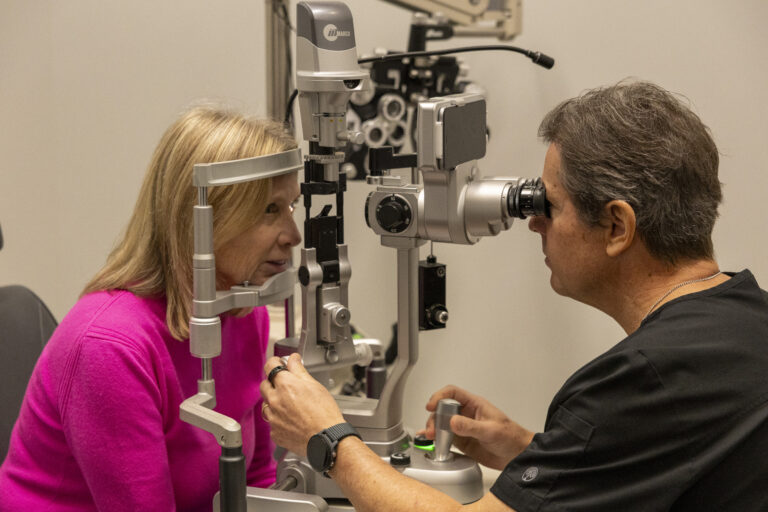
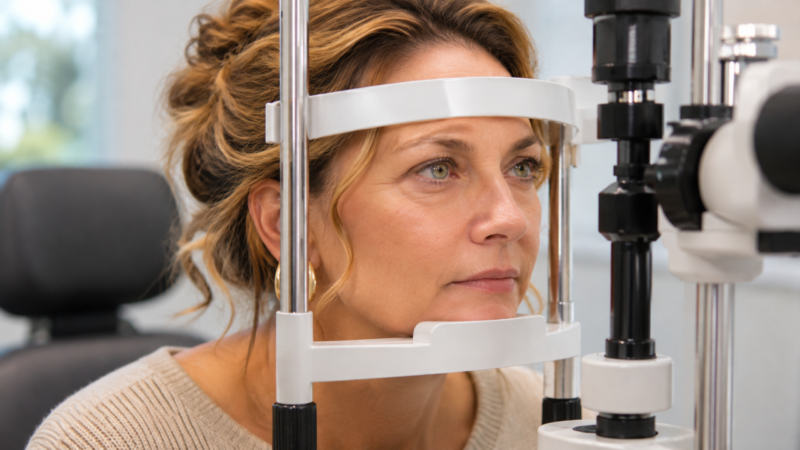
If you notice persistent puffiness, bulging, redness, dryness, eyelid changes or double vision, schedule an eye examination. These symptoms can have several causes, and an eye doctor can evaluate whether they may be related to thyroid eye disease.
Some symptoms require more immediate attention. Contact an eye care professional promptly if you experience:
- A sudden change in vision or worsening blurred vision
- New or worsening double vision
- Changes in how you see colors
- Loss of part of your visual field
- Difficulty closing your eyelids completely, especially with significant irritation or pain
These changes may indicate a more serious complication, including pressure on the optic nerve or exposure-related damage to the eye’s surface. Do not wait for a routine appointment if your vision is changing or you are experiencing sudden symptoms.
Why Early Evaluation Matters
Thyroid eye disease can change over time. Symptoms may become more noticeable as inflammation develops, and the condition can affect each patient differently. An early evaluation helps identify the cause of your symptoms, assess whether the disease is active and determine whether additional monitoring or treatment is needed.
Care may involve an ophthalmologist with experience treating thyroid eye disease, an oculoplastics or orbital specialist, and an endocrinologist who manages thyroid function. Depending on the symptoms and severity, treatment may include lubricating eye drops, medication or surgery. Managing an underlying thyroid condition is important, but it does not necessarily resolve the eye symptoms on its own.
If you smoke, quitting is one of the most important steps you can take to protect your eye health. Smoking increases your risk of developing TED and can make the condition harder to treat.
Thyroid Eye Disease Awareness Week, observed during the second week of November, is an opportunity to recognize symptoms that can otherwise be overlooked. If you have noticed changes in your eyes, an evaluation can help you understand what is happening and what steps to take next.
Thyroid Eye Disease Care at Florida Eye Specialists
Changes in your eyelids or the appearance of your eyes can affect both your comfort and confidence. If you are considering cosmetic eye procedures, it is important to understand whether an underlying condition such as TED may be contributing to those changes. An evaluation can help determine the appropriate care before considering a cosmetic treatment.
If you are looking for an eye doctor in Jacksonville to evaluate swelling, bulging eyes, eyelid changes or double vision, Florida Eye Specialists can help you take the next step. Our team offers specialized eye care to evaluate your concerns and discuss appropriate treatment options.
Schedule an appointment with an oculoplastics or orbital specialist at Florida Eye Specialists to have your symptoms evaluated.