
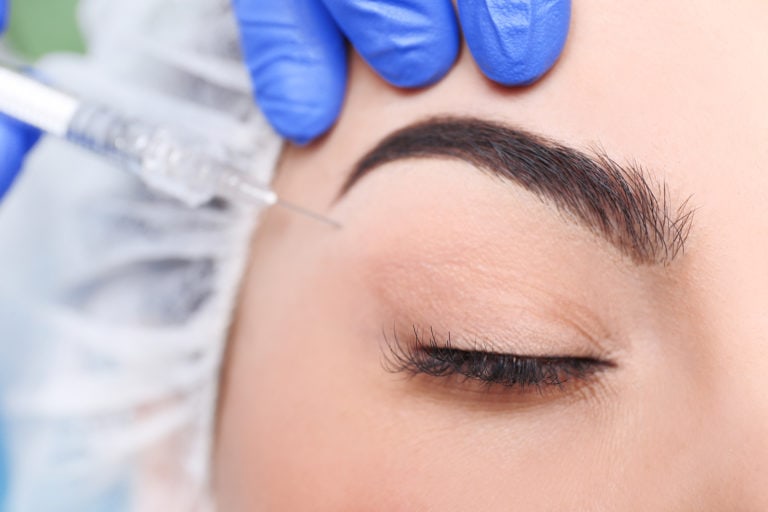
Blepharoplasty, Ptosis Repair and Brow Lift
Drooping eyelids can impact more than just your appearance – they can also affect your vision, comfort, and day-to-day activities. Many patients aren’t sure what’s causing the issue or what type of treatment they may need.
If you’ve noticed heaviness, sagging, or difficulty keeping your eyes open, you’re not alone. The good news is that there are several effective treatment options available. We’re answering common patient questions to help you better understand your options and what to expect.
I’m tired of my drooping eyelids. How can I fix them?
The first step is scheduling an evaluation with an eyelid specialist. At Florida Eye Specialists, we have a dedicated oculoplastics team with decades of experience treating eyelid conditions.
During your consultation, we’ll determine what’s causing your drooping eyelids and recommend the best approach for your goals, whether that’s improving vision, restoring a more youthful appearance, or both. Every patient is different, so your treatment plan will be customized to your anatomy and needs.
What’s the difference between blepharoplasty, ptosis repair, and a brow lift?
Many patients assume all droopy eyelids are the same, but there are actually several different causes and treatments:
- Blepharoplasty removes excess skin from the upper eyelids. This is often done for cosmetic reasons, but it can also improve vision if sagging skin blocks your field of view.
- Ptosis repair corrects a weakened eyelid muscle that causes the eyelid itself to droop. This is a functional issue and often covered by insurance.
- Brow lift addresses sagging eyebrows that push down on the eyelids, creating a heavy or tired appearance.
In many cases, a combination of procedures may be recommended to achieve the best outcome.
How do I know if I’m a candidate—and will insurance cover it?
Your evaluation typically includes two visits. During the first visit, we assess eyelid measurements, review photos, and discuss your symptoms to determine if there is a medical need for surgery.
Insurance may cover your procedure if your eyelids are significantly affecting your vision. If you appear to be a candidate, the next step is visual field testing to confirm how much your eyelids are impacting your sight.
If we feel that you would benefit from a procedure and make a good surgical candidate, then we will schedule an appointment for visual field testing. Your evaluation will be covered by your insurance.
What is a visual field test, and what should I expect?
A visual field test measures how much your eyelids may be blocking your vision. It’s a simple, non-invasive test that helps determine if your condition qualifies for insurance coverage.
You’ll complete the test twice, once in your natural eyelid position and once with your eyelids gently lifted. This allows us to compare how your vision improves when the obstruction is removed.
The test takes about 20 minutes, and you can take breaks as needed.
When should I consider getting an evaluation?
It’s time to schedule an evaluation if you notice:
- Heavy or drooping eyelids
- Difficulty keeping your eyes open
- Reduced upper field of vision
- Eye strain or fatigue
- Needing to raise your eyebrows to see clearly
Even if your concern is cosmetic, an evaluation can help determine whether there’s an underlying functional issue.
What if I’m not covered by insurance?
You can still move forward with treatment. Cosmetic eyelid surgery is a very common and effective option, especially for patients looking to improve the appearance of sagging or tired-looking eyes.
During your consultation, we’ll review pricing, financing options, and what to expect so you can make an informed decision. We accept all major credit cards, as well as CareCredit® and Wells Fargo Health Advantage® financing options.
How should I prepare for eyelid surgery?
Preparation typically includes a pre-operative exam with your primary care provider within 30 days of surgery to ensure you’re cleared for anesthesia. This visit may include an EKG or bloodwork depending on your health history.
You’ll also need to stop taking certain over-the-counter blood-thinning medications about two weeks prior to surgery, including aspirin, ibuprofen, and fish oil. If you are on prescription blood thinners, your prescribing physician will provide guidance on when to safely stop them.
We’ll provide a detailed instruction sheet to guide you through every step so you feel fully prepared.
What should I expect during recovery?
Recovery is one of the most common concerns for patients, and understanding the timeline can help you plan ahead. You’ll be given detailed aftercare instructions, including how to protect your eyes, when to resume makeup and contact lenses, and how to care for incisions.
First 3 days:
Rest is essential. Keep your head elevated, limit screen time, and use cold compresses regularly to reduce swelling. You should avoid eye makeup and contact lenses for about two weeks and protect your eyes with sunglasses when outdoors as healing continues.
First week:
You may experience swelling, bruising, watery eyes, light sensitivity, and mild discomfort. Most patients manage this with over-the-counter medications such as acetaminophen (Tylenol®), ibuprofen (Advil®), or oral antihistamines if needed. Stitches are typically removed around one week after surgery.
2–3 weeks:
Bruising continues to improve, and many patients feel comfortable returning to normal activities.
6–8 weeks:
Most swelling resolves, and your results become more noticeable.
Up to 6 months:
Final results continue to refine as healing completes.
What results can I expect?
Eyelid procedures can significantly improve both vision and appearance. While results are long-lasting, the natural aging process will continue over time.
Most patients notice a more refreshed, alert look and improved visual function. Protecting your eyes from sun exposure and following post-operative care instructions will help maintain your results.
Schedule an Appointment at Florida Eye Specialists Today
If you’re experiencing symptoms of droopy eyelids or are interested in learning more about your options, our team is here to help. Schedule a consultation today.