
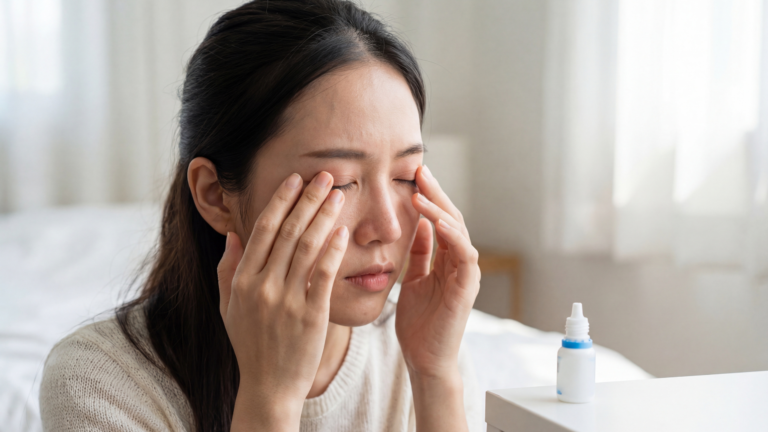
If your eyes feel dry, gritty, or uncomfortable, you’re not alone. Dry eye is one of the most common eye conditions, affecting millions of people of all ages — and the causes are more varied than most people realize.
Dry eye occurs when your tears are unable to provide adequate lubrication for your eyes, either because you’re not producing enough tears or because the tears you produce are poor quality and evaporate too quickly. Common triggers include allergies, infrequent blinking, vitamin A deficiency, autoimmune disorders, thyroid disease, and eyelid conditions. However, one cause that is frequently overlooked is something many of us take every day — our medications.
If you’ve been managing dry eye symptoms without much relief, your prescriptions or over-the-counter medications may be playing a bigger role than you think. Understanding the connection between medications and dry eye is an important first step toward finding lasting relief — not just temporary fixes.
Dry eye is a common condition that occurs when your tears aren’t able to provide adequate lubrication for your eyes. Dry eyes may occur if you don’t produce enough tears or when you produce poor-quality tears that evaporate too quickly. There are many causes of dry eye, including allergies, infrequent blinking, vitamin A deficiency, autoimmune disorders, thyroid disease, or eyelid diseases. However, one cause often overlooked by patients is their medications.
If you are experiencing dry eye, understanding which medications may be causing irritation can help you take the right steps toward finding relief instead of continuing to treat symptoms without addressing the root cause.
What is Dry Eye?
Dry eye is a chronic medical condition that can cause considerable discomfort if left untreated. There are two primary types of dry eye. Evaporative dry eye, which is associated with a deficiency in the oily layer of your tear film, and aqueous-deficient, which is associated with a deficiency in the water layer of your tear film. Both can lead to dryness, redness, and irritation in your eyes, and in some cases, blurry vision, sensitivity of light, and eye fatigue.
Which Medications Can Cause Dry Eye?
Various over-the-counter and prescription medications can contribute to or worsen your dry eye symptoms. Here are common medications linked to dry eye:
- Antihistamines – Used to treat allergies, some antihistamines can cause the eyes to produce fewer tears, which can cause or worsen dry eye symptoms.
- Antidepressants – Certain antidepressants can contribute to dry eye by affecting the nerves and glands that control tear production. For example, tricyclic antidepressants and selective serotonin reuptake inhibitors (SSRIs) have the strongest connection to dry eye.
- Blood pressure medications – A variety of medications used to treat cardiovascular issues can lead to dry eye. Beta blockers help with high blood pressure, but they decrease the amount of tears your eyes produce, increasing the risk of dry eyes.
- Acne treatments – Medications like isotretinoin (commonly known as Accutane) are used to manage acne by reducing oil production in the body. However, as a result, it also reduces the oil needed for healthy tears, potentially leading to dry eye.
How to Treat Medication-Induced Dry Eye
One of the most important, but often overlooked steps in managing dry eye is looking at when your symptoms started.
Did your dry eye symptoms begin shortly after starting a new medication? Have they worsened after the dosage was changed? Identifying this timeline can help you and your doctor determine whether a medication may be contributing to your dry eye symptoms.
If you suspect your medications may be playing a role, there are effective ways to manage your dry eye symptoms and protect your vision. Dry eye treatment options include:
- Lid hygiene measures consisting of warm compresses and lid scrubs
- Moisture chamber goggles; goggles for C-PAP users
- Artificial tears, gels, or ointments
- Serum eye drops
- Vitamins for dry eyes
- Plugs for dry eyes
However, before stopping medications on your own or if you feel like you need more advanced dry eye treatment, it’s important to speak with an eye doctor first.
When to See a Dry Eye Specialist
Dry eye can have many causes and finding the right one is the key to lasting relief. If your symptoms are ongoing, worsening or interfering with daily life, it may be time to consult a dry eye specialist. At Florida Eye Specialists, we have a dedicated dry eye center with doctors who specialize in this condition. Request an appointment at one of our Jacksonville eye care centers today.