
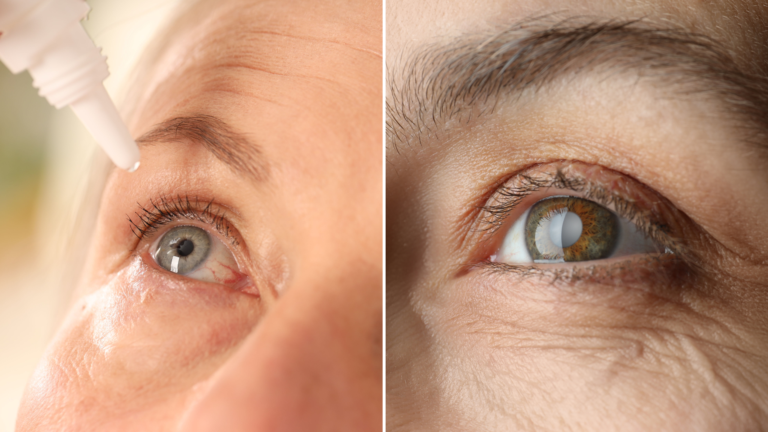
As we age, our eyes become more vulnerable to certain conditions, and two of the most common are glaucoma and cataracts. While both can impact your vision, they are very different in how they develop, how they are treated, and how they affect long-term eye health.
Understanding the difference between glaucoma vs cataracts is key, especially since early detection can make a significant difference in protecting your vision.
Glaucoma vs Cataracts: What’s the Difference?
Although glaucoma and cataracts can both cause blurry vision, they affect different parts of the eye.
Glaucoma
Glaucoma is a group of eye diseases that damage the optic nerve, often due to increased pressure in the eye. It develops slowly and is known as the “silent thief of sight” because many patients have no symptoms in the early stages.
Once vision is lost from this condition, it cannot be restored. That’s why early diagnosis and ongoing glaucoma treatment are critical.
Cataracts
Cataracts occur when the natural lens of the eye becomes cloudy over time. This is a normal part of aging, and most people will develop cataracts eventually.
Unlike glaucoma, cataracts can be treated and reversed with surgery, restoring clear vision.
Subtle Signs Patients Often Miss
One of the biggest challenges with both conditions is that symptoms may not be obvious at first. With glaucoma, many patients don’t notice changes until vision loss has already occurred. Early signs can include:
- Gradual loss of peripheral (side) vision
- Difficulty adjusting to low light
- Reduced contrast or “dim” vision
Cataracts tend to develop more gradually and may include:
- Blurry or cloudy vision
- Increased glare from lights
- Difficulty seeing at night
- Colors appearing faded or yellowed
Because these symptoms can overlap, it’s not always possible to tell the difference without a comprehensive eye exam.
Risk Factors to Be Aware Of
Certain factors increase your risk for both glaucoma and cataracts.
Glaucoma risk factors include:
- Age (especially over 40)
- Family history of glaucoma
- Elevated eye pressure
- Diabetes or other underlying conditions
Cataract risk factors include:
- Aging
- Smoking
- Previous eye injury
- Medical conditions such as diabetes
Knowing your risk can help you take a more proactive approach to your eye health.
Modern Glaucoma Treatment Options
While glaucoma cannot be reversed, today’s treatment options are more advanced than ever and can help preserve vision when caught early. At Florida Eye Specialists, glaucoma treatment may include:
- Prescription eye drops to lower eye pressure
- Laser therapy to improve fluid drainage
- Minimally invasive glaucoma surgery (MIGS), which offers effective pressure control with faster recovery
In some cases, glaucoma procedures can be combined with cataract surgery to address both conditions at once.
Can You Have Both Glaucoma and Cataracts?
Yes – it’s actually common for patients to have both conditions at the same time.
Cataract surgery may help lower eye pressure, which can benefit glaucoma patients. However, each case is different, and treatment should be personalized based on your specific needs.
Why Early Detection Matters
The most important takeaway is this: glaucoma often develops without warning, while cataracts progress slowly over time.
Routine eye exams are the only way to detect these conditions early and begin treatment before vision is significantly impacted.
Visit Our Glaucoma Specialists in Jacksonville, FL Today
If you’re experiencing changes in your vision, or if it’s been more than a year since your last eye exam, it’s time to get checked.
At Florida Eye Specialists, our board-certified, fellowship-trained physicians provide advanced glaucoma treatment and comprehensive care across Northeast Florida. Schedule your glaucoma screening today.
About Florida Eye Specialists
Florida Eye Specialists is one of the largest multi-specialty ophthalmology practices in Northeast Florida, with locations across Jacksonville and surrounding communities. Our team provides advanced care in glaucoma, cataracts, LASIK, and more, helping patients protect and improve their vision at every stage of life.