![Self-Test for Cataracts [Quiz]](https://www.floridaeyespecialists.com/wp-content/uploads/Self-Test-for-Cataracts-Quiz-300x169.jpg)
Self-Test for Cataracts [Quiz]
Everyone develops cataracts with age. Take our self-test for cataracts to see if it’s time to request an appointment with an ophthalmologist.

Everyone develops cataracts with age. Take our self-test for cataracts to see if it’s time to request an appointment with an ophthalmologist.
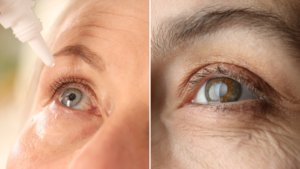
Our eyes, like all other body parts, become more susceptible to disease as we age. The most common vision-related problems in older adults are glaucoma and cataracts. In fact, these are two of the most common causes of vision loss in the world.

If you’ve been diagnosed with cataracts, you may feel uncertain about what to do next. With advancements in technology and lens options, there’s more to consider than ever before. Florida Eye Specialists is here to guide you through your options and help you make the best choice for your vision and lifestyle. Advanced Cataract Surgery
When Kathy first noticed a change in her vision, she thought it was just a sign of getting older. She remembered sitting in the front of her college classes and realizing she couldn’t see the board clearly anymore. Glasses and contacts helped for a while, especially as a college tennis player, but over the years,
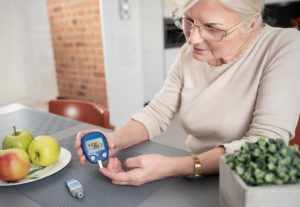
Blurry vision, dark spots, or sudden vision changes can be warning signs of more than just fatigue or aging — they may be signs of diabetic eye disease. If you’re managing diabetes, you might wonder: How does diabetes affect the eyes? High blood sugar can quietly damage delicate structures over time, leading to serious, sometimes
If you rely on contact lenses every day, preparing for cataract surgery can raise a lot of questions. Do you need to stop wearing them before the procedure? And once it’s over, can you wear contacts after cataract surgery if you still need vision correction? The truth is, every patient’s situation is different, and understanding
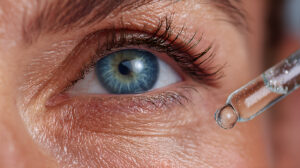
Blurry vision, eye irritation, and sensitivity to light can make even simple tasks feel frustrating. If you’re dealing with these symptoms, you may wonder whether cataracts or dry eye disease are to blame, or if both are contributing to the problem. But do cataracts cause dry eyes, or are they just commonly experienced together? Understanding

Blurry vision, cloudy lenses, and difficulty seeing at night often lead people to consider cataract surgery. But many patients have questions about what happens after the procedure. One common concern is eye floaters after cataract surgery – are they caused by the procedure itself, and should you be worried? At Florida Eye Specialists, we’re here

Engin Serpersu’s career required clear vision. When he began struggling with blurry eyesight and constantly changing glasses, he turned to the cataract specialists in Jacksonville, FL at Florida Eye Specialists. After undergoing cataract surgery with Dr. Francis and getting the Light Adjustable Lens™ he was able to fine-tune his vision post-surgery. Now he’s back doing

After discovering she had not one, but two cataracts in her right eye, Evelyn Cagle turned to the cataract specialists in Jacksonville, FL at Florida Eye Specialists. Traditional cataract surgery would still leave her needing to wear glasses due to a previous eye surgery and astigmatism. However, when our team of cataract surgeons suggested the
If you’ve been told you need cataract surgery, you’re likely focused on getting your vision back, but did you know the type of lens implant you choose can affect how clearly you see afterward? With so many intraocular lens types available today, it’s normal to feel unsure about which one is right for you. At

Blurry vision, trouble seeing at night, or feeling like your glasses just aren’t working anymore – these are common signs of cataracts, a condition that affects millions of adults as they age. According to the National Eye Institute, more than half of all Americans will have cataracts or undergo cataract surgery by age 80. But